All of us basically know what healthy eating is. We agree we should be eating fruits and vegetables, proteins, healthy carbs, and drinking water. We also have a good idea of what foods we should limit such as processed foods, fast food, greasy food, sugary food, and sodas. However, many of us don’t think about how our food makes up the cells in our body. You literally are what you eat! It is very important what we feed our family because food has the potential to make or break our health. To help you and your family, I have four easy tips for healthy eating that are budget friendly and do not take a lot of time.
Tip #1: Avoid Eating Processed Foods and Prioritize Eating Whole Foods
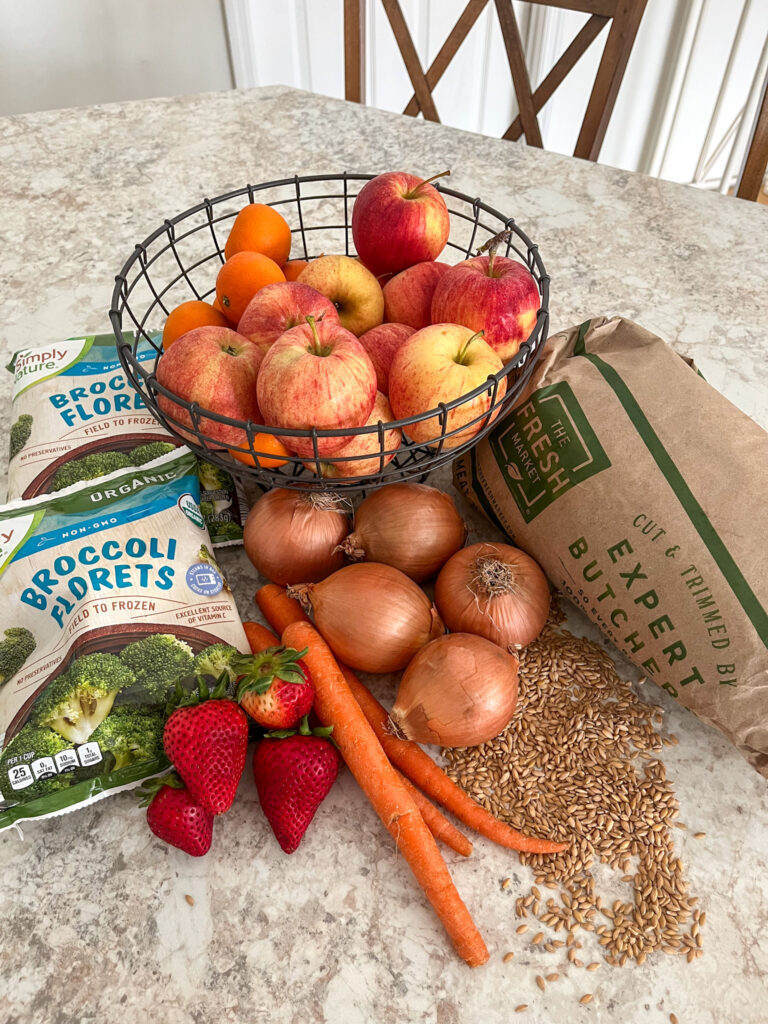
I am sure you have heard to shop the perimeter of the grocery store. Although it is hard to do, this is sound advice. Processed foods are full of chemicals, additives, and preservatives. Avoid eating anything in a package as much as you possibly can. Focus on eating whole fruits and vegetables, whole grains, and protein. This step is the most important of the four easy tips for healthy eating. Here are a few examples of swaps you could make:
- For breakfast, eat cooked rolled oats with maple syrup and peanut butter or eggs with a side of toast instead of cereal.
- For a snack, eat an apple with peanut butter or carrots with homemade ranch instead of eating a snack cake.
- For lunch, eat a salad with protein on top instead of a sandwich with highly processed lunch meat and chips.
Make an effort to eat a variety of fruits and vegetables every day. The American Heart Association recommends two servings of fruit and three servings of vegetables every day. However, the more servings you eat, the better. The good microbes in your gut thrive when you eat several different kinds of fruits and vegetables. Plus there are so many vitamins and minerals in fruits and vegetables that will positively impact your health.
Limit eating out, especially at fast food restaurants. Most of the food in restaurants is highly processed and cooked in seed oils. This will also help you to save money!
Tip #2: Focus on Drinking Water
Juice, soda, lemonade, and coffee with added flavorings have so much sugar in them. Your body can only process less than 50 grams of sugar a day. Focus on drinking water that is going to properly hydrate your body, flush your liver and kidneys, and keep your lymphatic system flowing.
The National Academy of Medicine says that women need to drink 90 ounces and men need to drink 125 ounces of water daily. This includes the water in whatever beverages you are drinking, but I would recommend mainly drinking plain water. If you work outside in the heat or do high intensity workouts and sweat, you might want to add some electrolytes to your water.
Tip #3: Buy Organic When You Can
Groceries cost more today than ever before. It’s not only expensive to buy healthy food; it’s expensive to buy any type of food for your family.
Organic produce is a better option because it is non-GMO and pesticide free. The Environmental Working Group puts out a list each year for the dirty dozen and clean fifteen. This list tells you which produce has the most pesticide residues and which has the least. Here’s the lists from last year.
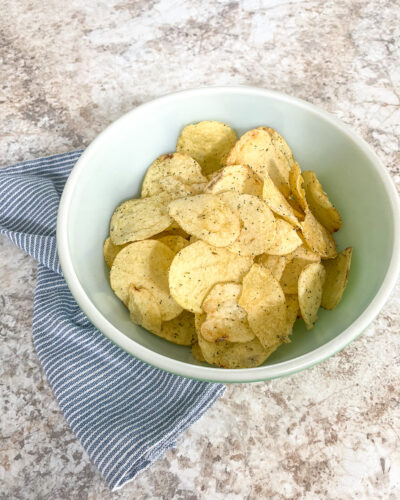
If your grocery budget doesn’t allow you to buy all organic produce, focus on buying the dirty dozen organic. This way you’ll cut out most pesticides. However, if organic food is not in the budget at all, don’t sweat it. Remember eating a non-organic apple is still better than eating potato chips fried in seed oil.
Organic meat and dairy products are also better choices than conventional. To meet organic certification, animals used for meat or dairy products must be raised on organic feed and not given any antibiotics or growth hormones. Basically, organic meat is free of glyphosate from corn, antibiotics that can disrupt your gut microbiome, and hormones that can mess up your endocrine system.
Again, if your budget doesn’t permit organic meat and dairy, don’t worry about it. Eating real meat and whole fat milk products is still better for you than eating highly processed hot dogs and skim milk.
Look into farmer’s markets and co-ops near you. You might be able to find organic products at a much lower cost from a local farmer. Also, try out Aldi or Costco. These stores are known to have organic products with affordable pricing.
Tip #4: Begin Making All Your Own Bread and Other Baked Goods
Limit buying wheat products at the grocery store. Any wheat product made from non-organic flour contains glyphosate. Since glyphosate causes so many problems for the body and gut, I try to avoid it as much as I can. If you purchase a bread product or cereal, buy organic. However, it is still better to make your own bread products at home.
Freshly milled flour is chock full of nutrients. But as soon as you mill wheat berries into flour, the wheat starts losing its nutritional value and starts going rancid. This study says not to store freshly milled flour for more than 2 weeks because the essential compounds will start oxidizing and going rancid. I freshly mill my flour or use flour that was milled previously and stuck in the freezer. This way no nutrition is lost when I make homemade baked goods.
All the bread at the store, even the whole grain, organic varieties, is not made with freshly milled grain. All-purpose flour, even organic, is very low in nutrients because the bran and the germ have been removed. Even sourdough bread that is not made with freshly milled flour is low in nutrients.
If I am going to put the time into making bread, I want it to be as nutrient-dense as possible. However, I do use some all-purpose flour. I normally use ½ part all-purpose flour and ½ part freshly milled flour when I am baking yeast bread or rolls. Currently, I am experimenting just using ¼ part of all-purpose flour in my yeast recipes. So far, everything has turned out well.
To get started baking with freshly ground wheat flour, you will need a grain mill and some organic wheat berries. To make it easier, you could order a bread machine that sits on your counter. All you do is add your ingredients to the bread pan, close the lid, and push a button to have fresh bread. There is no rule saying you must make it by hand! Bread made in a bread machine still counts as real bread!
Start Implementing the 4 Easy Tips for Healthy Eating Today!
Starting to eat healthy or getting back on track after letting things slide for a while can be difficult. Many times, spouses or children can be resistant to change. Healthy eating is not complicated. It just takes a little thought and planning. I encourage you to start by avoiding processed foods, eating whole foods, and drinking more water. When you are ready, add buying organic when you can and lastly, making your own baked goods. I hope these 4 easy tips for healthy eating help you create a healthier lifestyle for yourself and your family!