What is Glyphosate?
In 1970, a chemist at Monsanto named John E. Franz developed glyphosate to kill weeds. Monsanto patented this herbicide and sold it in 1974 under the tradename Roundup. Since its introduction in the 1970s, Roundup has become the most used herbicide worldwide. Millions of pounds are sprayed on crops in the United States every year. The amount of glyphosate in our food supply is staggering.
Glyphosate kills weeds by blocking their shikimate acid pathways. After being sprayed, the weeds die in a few days because they can no longer make the amino acids they need to survive.
Many thought this herbicide did not affect humans or animals because we do not have shikimate acid pathways, but research has proven otherwise.
Health Risks of Glyphosate in Our Food
Nervous System
Studies have proven that exposure to glyphosate in our food can cause oxidative stress, inflammation, and mitochondrial dysfunction. These effects are worse on babies and children who are still developing.
Possible Carcinogen
Glyphosate has been classified as a possible carcinogen by the International Agency for Research on Cancer in 2015. Thousands of people have sued Bayer and Monsanto for developing cancer after using this herbicide. But how exactly can it lead to cancer? It may cause oxidative stress, interfere with hormonal pathways, cause DNA damage in human cells, and disrupt the immune system.
Hormone Disruptor
Glyphosate interferes with the hormones in our body by acting like natural estrogen and binding to estrogen receptors. Researchers have discovered that it encourages estrogen activity in hormone-sensitive breast cancer cells.
Gut Dysbiosis
Exposure to glyphosate has been shown to lessen the following good bacteria in the body: Bifidobacterium, Ruminococcus, and Lactobacillus. On the other hand, it increases the amount of Bacteroids which are bad bacteria. Whenever good bacteria decrease, bad bacteria increase. This leads to dysbiosis in the gut, which is a cause of many health issues.
Loss of nutrients
When crops are sprayed with this herbicide, their shikimate pathways are affected. This process limits the plants in producing nutrients. Plants treated with Roundup were shown to have considerably lower levels of the amino acids tryptophan, tyrosine, and phenylalanine. Furthermore, these plants do not contain alkaloids, important anti-cancer and anti-inflammatory compounds.
Crops that Contain Glyphosate
Corn/Soybeans/Sugar beets
Almost all corn, soybeans, and sugar beets grown conventionally in the United States are from GMO seeds. These seeds have been genetically modified to resist glyphosate by putting genes from other species into their DNA. This is an unnatural process that can cause harm. Many GMO seeds are engineered to be resistant to disease. This may lead to antibiotic resistance in humans.
Another scary issue with GMO crops is that other crops in nearby fields may be modified through cross-pollination.
Farmers can spray more of this herbicide without killing their crops since the plants are bred to resist it. This leads to higher levels of glyphosate in the crops themselves. The farmers spray their fields at the start and throughout the growing season.
Corn, soybeans, and sugar are in many foods. If you eat the standard American diet, you consume a lot of corn, soybeans, and sugar without realizing it. As a result, you consume a lot of glyphosates.
Beans/Oats/Wheat
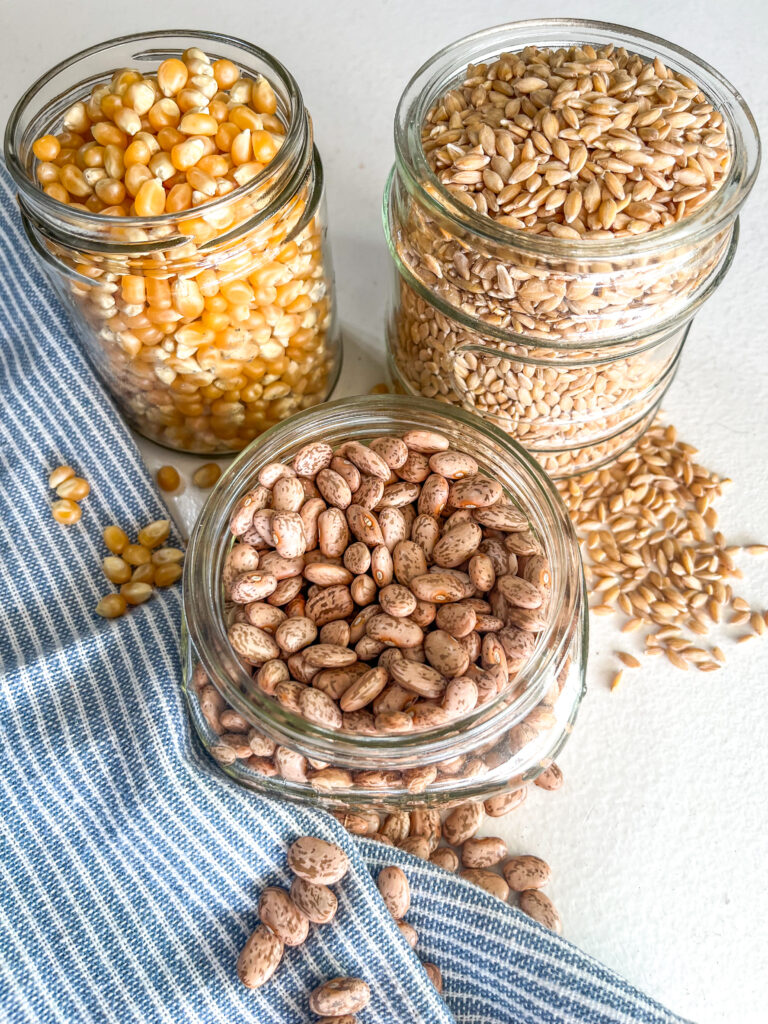
Beans, oats, and wheat are sprayed with glyphosate to dry them out before harvesting. As a result, these crops contain high levels of this herbicide residue. They do not wash the crops afterward, so the residue stays on them. Then they take the wheat berries and grind them to make flour. The glyphosate residue is then mixed into conventional flour.
This practice of spraying the crops right before harvest started in the 1980s-1990s. It is interesting to note that the rates of celiac disease and other gastrointestinal diseases have shot up since this time. This may be due to glyphosate causing dysbiosis in the gut. Growing up, I didn’t even know anyone who had celiac disease. Now, many people have it. Others who don’t have celiac disease avoid wheat because they feel better when they don’t eat it. Many report a lessening of gastrointestinal symptoms, joint pain, and inflammation when they stop eating wheat. For those with gluten sensitivity, perhaps gluten is not the problem. Maybe the problem is glyphosate.
What to Do About the Glyphosate in our Food?
Buy organic corn, soy, sugar, beans, oats, and wheat. Even these organic crops may contain traces of glyphosate due to neighboring farms that spray their crops. However, they are going to contain way less than their conventional counterparts. Avoid snacks, bread, and baked goods made with non-organic wheat. Don’t live in fear but do your best to avoid this herbicide in the foods you feed your family. Next week, we will discuss the benefits of grinding wheat flour at home and baking bread.



[…] are getting the most nutrients. I highly recommend buying organic wheat berries that do not contain glyphosate. Wheat berries store for a very long time. When I mill wheat berries for a recipe, I store the […]